We’re all prejudiced in many ways
By Cazzy Lewchuk, Opinions Editor
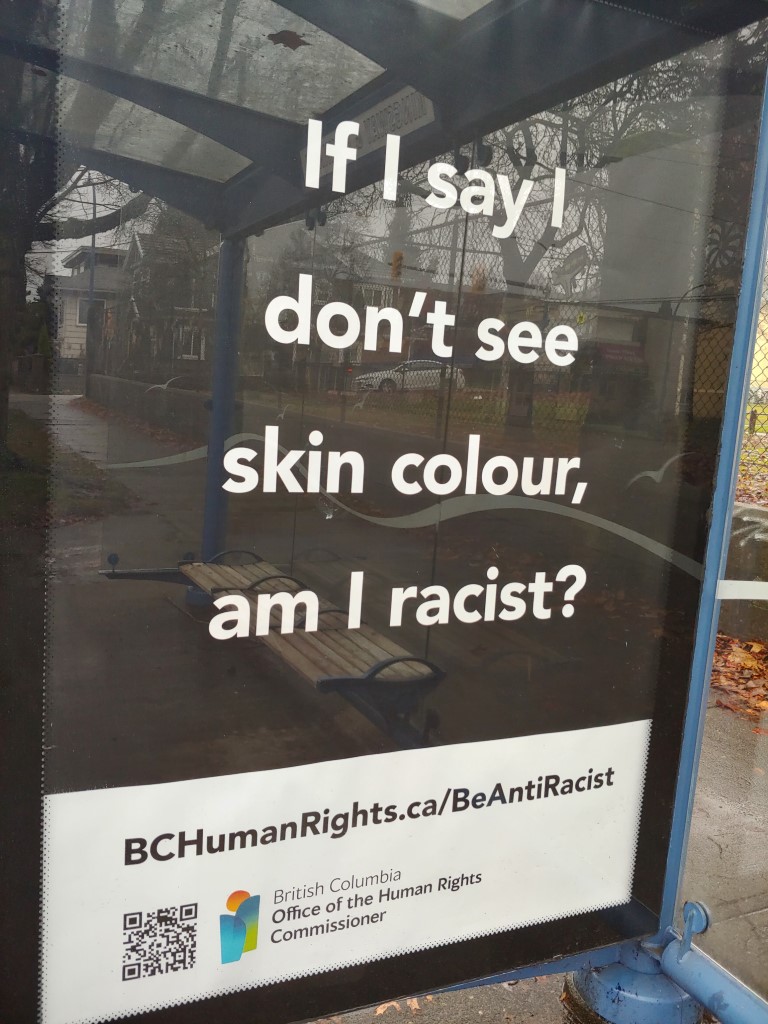
In the first presidential debate, Hillary Clinton was asked about racial discrimination in policing. Clinton gave an excellent response, stating that “Implicit bias is a problem for everyone, not just police.” It’s a serious and hard truth we all have to be conscious of. We all have many implicit biases and prejudices that influence our decisions, whether we want to acknowledge it or not.
Racism is (obviously) a serious form of prejudice that has shaped society for hundreds of years. It was not long ago that racism was firmly ingrained in laws and generally upheld by society. While civil rights have come a long way, racism continues to run deep, both openly and secretly.
It’s not just race that is a factor. Discrimination of any sort—by gender, sexuality, class, age, intelligence—divides us and shapes our opinions. Unless you’re Jesus (and even he didn’t ordain women), you treat others differently depending on their similarity and relationship to you. You can claim to be free of prejudice and discrimination in your mind. You may want to be, and you may even truly believe you are.
However, you were raised in a society that was shaped by and run on bias. The status quo enforces patriarchy. It enforces conservative values and suppresses progression. In a perfect world, we would all work together to achieve equal and full rights for everybody, all the time. But we don’t. We live in a world where prejudice runs rampant, and is profiled either on the news, observed secondhand, or indeed, witnessed firsthand. If you belong to a minority, you are used to a society that oppresses you. If you are on the top rung of society—a white cis male—you no doubt observe the oppressive aspects of society, unless you’re in EXTREME denial/your name is Donald Trump.
We are raised by a status quo that formulates our world view and beliefs. Some of us have more progressive views than others, but no one is free of the regressive mindset that we are exposed to. When we see someone who is different from us, we make assumptions and judgements based on this implicit bias. We can strive and hope to eliminate the outer bias, but the implicit will always be the first thing present.
It’s a lot easier to see the differences of what divides us than that which unites us. Working towards a truly unbiased world isn’t just a tall order, it’s impossible. We can and absolutely should work towards doing so, anyway. Recent history teaches us of the power of these movements—of women’s rights, racial equality, and gay equality. It can be both mind-blowing and terrifying to look back at the recent past and see how we treated those who are different from us. But it’s also a powerful reminder of what we are capable of, and how much work remains to be done.