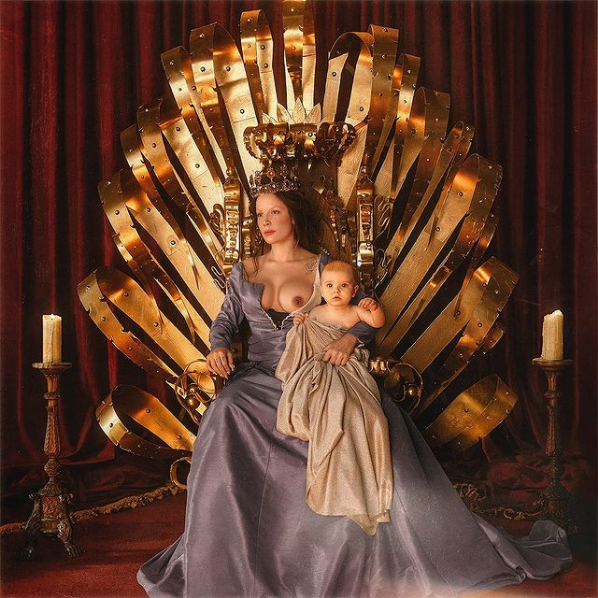
The pop-rock star offers similar and different vibes that compliment her repertoire
By Jonathan Pabico, Senior Columnist
The first half of the album may feel musically underwhelming but thematically rich upon first listen. It’s only during her album’s second half that listeners can find songs showing the sharp and fierce singing style Halsey’s always been known for.
Halsey blew fans away with her hit album Manic last year. On August 27 she returned with her fourth album, If I Can’t Have Love, I Want Power. Despite the album falling short of her previous work, she still delivers riveting music with her curious metaphors and emotionally gripping themes.
Halsey’s powerful and frustrated vocals convey an edgy melancholy through every lyric, pause, and note. Each track reflects deep-seated anguish that’s countervailed by the album’s brief snippets of warmth and gentleness. However, Halsey’s solemn moods always enshroud her songs.
What’s disarming about the album is the minimalist approach to its music arrangements. Most tracks feature heavily restrained techno beats; and if they do use more traditional instruments, they’re tonally softer. The moments of eerie silence in her songs foreground Halsey’s painful vocals that bravely and boldly carry her lyricism.
Because of the minimalist music choices, the first half of the album may feel musically underwhelming but thematically rich upon first listen. It’s only during her album’s second half that listeners can find songs showing the sharp and fierce singing style Halsey’s always been known for. If you’re looking for more exciting pop-rock energy, you may want to replay Manic instead.
The sound is unsurprisingly diverse in experimenting with genre fusion and approaches to tone. “Lilith”, for instance, is a soul-pop piece with a cool swing feel to it from more easygoing vocals and drum hits.
The facets of love are also uncovered from the emotional torture of reliving painful relationships to the more heartfelt rewards of parenthood. There’s more focus on what it means to be a mother, given Halsey’s aim to discuss pregnancy and childbirth as a mom herself.
Halsey’s musical genius really shines through the surreal symbolism that evokes the social themes explored relentlessly by her tracks. The chorus of “Lighthouse”—a personal favourite—goes: “There is a lighthouse / In the middle of the deep end / I’m still stranded on the shoreline there / And nobody hears me scream.” Balancing unsettling guitar riffs and drums with haunting vocals, the lyrics convey how alone we can truly feel in the world. Through these words, Halsey relays the sorrow that comes with being ignored or overlooked.
Mental health is another major subject the album unravels. The song “Whispers” uses the lyrics “Camouflage so I can feed the lie that I’m composed / I’ve got a monster inside me that eats personality types.” These words hit hard to tell listeners about how easy it is to hide our problems from loved ones.
“Whispers” also emphasizes the need to talk to people we trust about what troubles us; otherwise we endure more harm by keeping our issues to ourselves. This message is elevated by heart-wrenching piano melodies mixed with suppressed bursts of electronic notes.
If I Can’t Have Love, I Want Power proves Halsey’s goal to be fully aware of the social complexities that come with relationships, mental health, parenthood, and everything else in between. I recommend you listen to it at least once, especially if you are a Halsey fan. Even if her past albums have more memorable takeaways, if Halsey’s gloomy artistry is what delights you, then what are you waiting for?
Check out the Lettitor follow up to this scandalous cover!