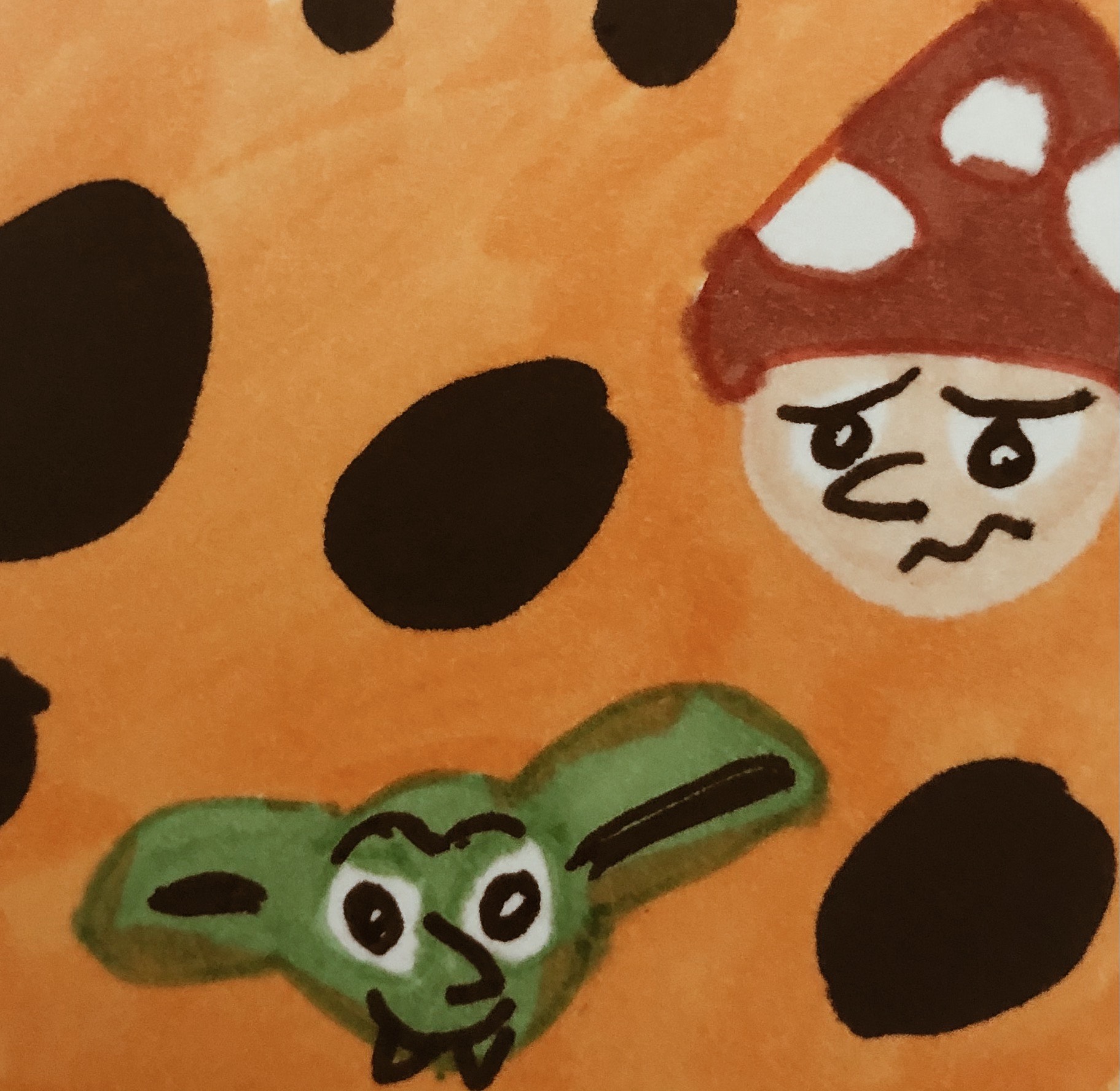
Personal amusement versus physical flattery
By Angela Espinoza, News Editor
While it’s tough to say when graphic tees started popping up, the “tote your pop culture” phenomenon likely began in the ‘80s. Graphic T-shirts remain immensely popular today, but does that necessarily mean they look flattering?
Since the days of “Who/I Shot J.R.” and “Frankie Says Relax,” various texts or symbols of pop culture have found their way onto our attire. Whether they’re references to media or a new take on an old phrase (such as “Keep Calm”), it seems like there’s a graphic tee for everybody somewhere. Websites such as the Yetee, Shirtoid, and Shark Robot (just to name a few) thrive specifically on the vast array of pop culture mash-up tees currently in demand.
However, it wasn’t until the last decade that wider clothing store chains started adopting (and adapting) the graphic T-shirt. Most of these stores, such as Old Navy, Stitches, and Bluenotes tend to market to a teen and young-adult clientele. They began adapting graphic tees not in order to reference anything in particular, but mainly for the kitsch. You’ve probably seen shirts involving generic cartoon animals or anthropomorphic food coupled with respective puns.
Similarly, chains such as H&M and Forever 21 have also adapted the graphic tee by attempting to not reference specific pieces of pop culture. An immensely popular style of graphic tee right now is the thin, beige-to-white tank top with a random statement (like “Coffee is my BFF”) written in a thin or messy sketched style of font. Thin pastel-coloured shirts with various city names styled to look like an ad and more basic or generic images of shapes are also common.
Supposedly, playing down the classic brightly coloured, block-text graphic T-shirt in favour of a more minimal look makes the trend more mature. So is it possible to make blatant, referential tees work, or do the dialled-back graphic tees win out?
The most important factor behind what you wear is that your clothes make you feel good, regardless if there’s a Pokémon with a pun on your shirt or a thinly sketched outline of a bird. That said, one should also keep in mind factors such as the cuts of these shirts. Part of why the new-school, sophisticated graphic tees win out is because they tend to offer more flattering cuts for the wearer. Pop culture-ridden graphic tees on the other hand tend to have very generic men’s, women’s, and more commonly, unisex sizes that don’t really flatter anyone.
As someone who has as many formal clothes as they do (immensely nerdy) graphic tees, I find as I get older I wear my graphic T-shirts out of the house less often. Sure, I have my favourites, but most of them have been reduced to pyjama shirts—unless I’m heading out to a particularly nerdy setting. Recently I’ve tried combining the two looks by having specific pop culture references placed onto shirt styles I feel are more flattering to wear in public. Going the DIY route or trying websites like Etsy.com, the online emporium for homemade clothes, is probably the best way to make graphic tees work with an updated look.
Again, wear what makes you happy, but my verdict stands: bright-to-neon coloured, thick font, pop-culture-reference graphic tees do not make the cut.