By Elliot Chan, Opinions Editor
Now and then, I step away from my science fiction, contemporary dramas, and classic coming-of-age novels to enjoy something more factual. Non-fiction books allow me to touch base with the world I’m living in through historical texts, biographies, memoirs, and self-helps. I choose these readings of my own accord; they are not textbooks or instruction manuals—but they can sometimes feel like something assigned by an instructor. Non-fictions are never really the sweets for me, they’re the vegetables, and the nutrients I know I need more of. But, which do I relish in, and which do I spit in disgust?
Pass: Memoirs
Only recently did I start reading memoirs. I used to think the ramblings of a famous actor, politician, athlete, or public figure weren’t worth my time. I would rather spend an afternoon reading about wizards or revisiting my homework than reading about someone else’s success. Hell, if I wanted to know more about the person, I would read their Wikipedia page, right?
Not that I’m wrong, but memoirs offer a subjective lens into the person’s life that is otherwise lost in a biography, or Wikipedia page. Reading the words of someone not known for their writing ability is quite an evocative experience; it’s as if you are hearing their story through their own lips. You can see the way they colour an aspect of their life, while hiding details in another. You can feel what matters to the person in that moment, what they wanted to communicate about themselves to the public. And if the memoir is done well, it can definitely inspire.
We all possess the power of choice, and whether we like the memoirists in the real world or not is up to us. The magic of a memoir is that, even if we dislike the person, we can see through their eyes for a moment and recognize the struggle they went through to achieve what they have. A good memoir highlights the failures along with the successes, and proves to the reader that what they’ve done might not be achievable for everyone, but it was for them—after all, they lived to tell the tale.
Fail: Self-helps
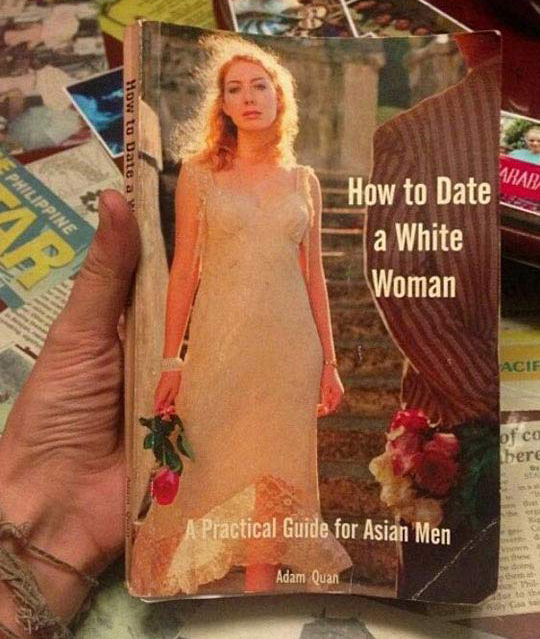
I’m having trouble buying into the billion-dollar industry of self-help books. I’ve read many in my life thinking that it was the solution to my problems. I believe many other people pick them up for that same reason. Whether you’re trying to live in the moment or explore a diet, reading a book is not going to help you do it. Self-help books are temporary distractions by design. They might provide guidelines for achieving goals, but they do little to convince you you’re doing it right or that your efforts are working. The books don’t even get you to put in effort at all—their motivational power is limited.
You cannot read a manual on fixing computers and instantly become an expert. Your brain simply can’t retain all that information; same goes with self-help books. You cannot read a book and ask if you are happy, or if you’re fit, or if you should have children, and find the answer. Self-help books are someone else’s ideals and reality presented to you in the form of a product—you’re just buying it first and then being convinced after. You wouldn’t join a cult just because it tells you that it can make you happy, right?
There is a lot of value in self-help books, but it’s the presentation that ruins it. Success is not a chapter-by-chapter thing; it’s more of a choose-your-own-adventure and learn-from-your-mistakes kind of thing—and that is what self-help books are not.
